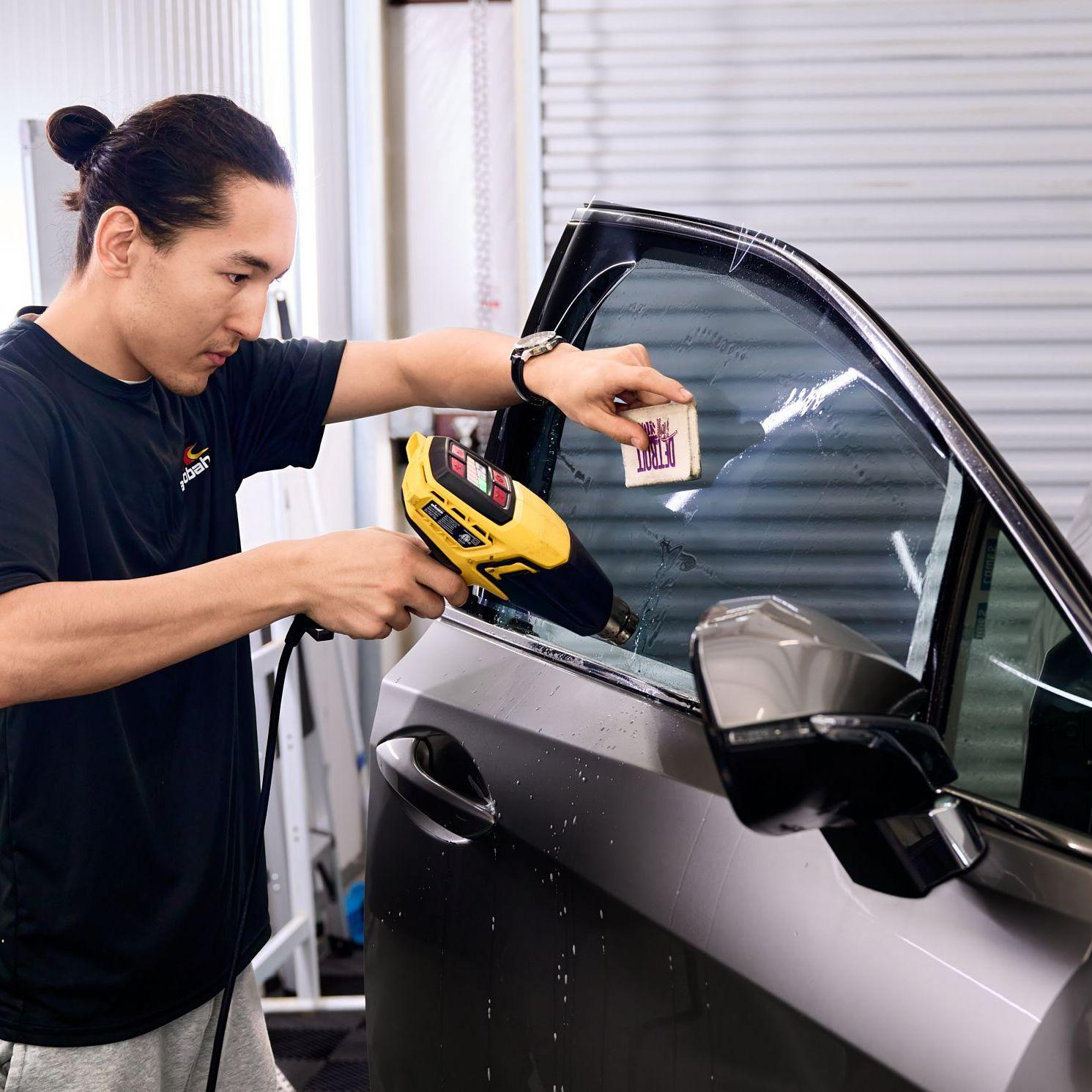
Window tint is one of the most misunderstood upgrades you can make to a vehicle. Many people believe darker film blocks more heat, factory privacy glass is already tinted, or all window films perform the same. The truth is none of those are necessarily true.
Factory Privacy Glass vs. Window Tint
One of the biggest misconceptions is that rear windows on SUVs and trucks come "factory tinted." They don't.
Factory privacy glass is colored during the manufacturing process to make it darker for privacy. It provides very little heat rejection because there is no heat-rejecting film applied to the glass.
If you want your rear windows to reject heat like your front windows, they also need window film installed.
Darkness Does Not Equal Heat Rejection
Many people assume a darker film keeps a vehicle cooler. While darkness can reduce visible light, the amount of heat rejected depends on the technology inside the film not how dark it looks.
A high quality ceramic film in a lighter shade can reject significantly more heat than a darker, lower quality dyed film.
Not All Window Films Are Equal
There are several types of automotive window film, including dyed, carbon, metallic, and ceramic. Each offers different levels of performance, durability, clarity, and heat rejection.
Ceramic window film is considered the premium choice because it provides excellent heat rejection, blocks over 99% of harmful UV rays, reduces glare, and will not interfere with GPS, cell phones, Bluetooth, satellite radio, or keyless entry systems.
Quality Installation Matters
Even the best window film can fail if it isn't installed properly.
Proper preparation, contamination control, precision cutting, quality materials, and experienced installation all play a major role in the finished product and its long-term durability.
Understanding Alabama Tint Laws
Alabama has specific legal limits for visible light transmission (VLT). Choosing the right shade means balancing appearance, performance, and staying within state regulations if that's important to you. We can help explain your options so you can make an informed decision.
Is Window Tint Worth It?
For most vehicle owners, absolutely.
Professionally installed window tint helps reduce interior heat, blocks harmful UV rays, improves comfort, protects interior materials from premature fading, reduces glare, and gives your vehicle a cleaner, more finished appearance.
Our goal isn't simply to make your windows darker—it's to help you choose the right film and the right shade for how you drive, where you live, and what matters most to you.